How Austin Texas Weather Affects Your Roof and What You Can Do About It
Texas weather can be extreme and unpredictable, ranging from scorching heat to severe storms. These conditions can take a toll on your roof. Understanding how different weather patterns affect your roof and how to address these issues can help extend the lifespan of your roof and protect your home.

Impact of Texas Weather on Your Roof
1. Heat and UV Radiation
- Impact: The intense Texas sun can degrade roofing materials over time. UV rays can break down the chemical bonds in asphalt shingles, leading to brittleness, cracking, and fading.
- Solution: Use UV-resistant roofing materials and apply reflective coatings to reduce heat absorption.
2. Heavy Rain and Flash Floods
- Impact: Excessive rainfall can lead to water damage, especially if your roof has existing vulnerabilities like missing shingles or damaged flashing. Prolonged exposure to moisture can cause leaks, mold growth, and rot in the roof decking.
- Solution: Ensure proper roof drainage by keeping gutters and downspouts clean and functioning. Regularly inspect and repair damaged shingles and flashing.
3. Hailstorms
- Impact: Hail can cause significant damage to roofing materials, resulting in dents, cracks, and even punctures. This can compromise the integrity of your roof and lead to leaks.
- Solution: Choose impact-resistant roofing materials designed to withstand hail damage. Schedule inspections after severe hailstorms to identify and address damage promptly.
4. High Winds
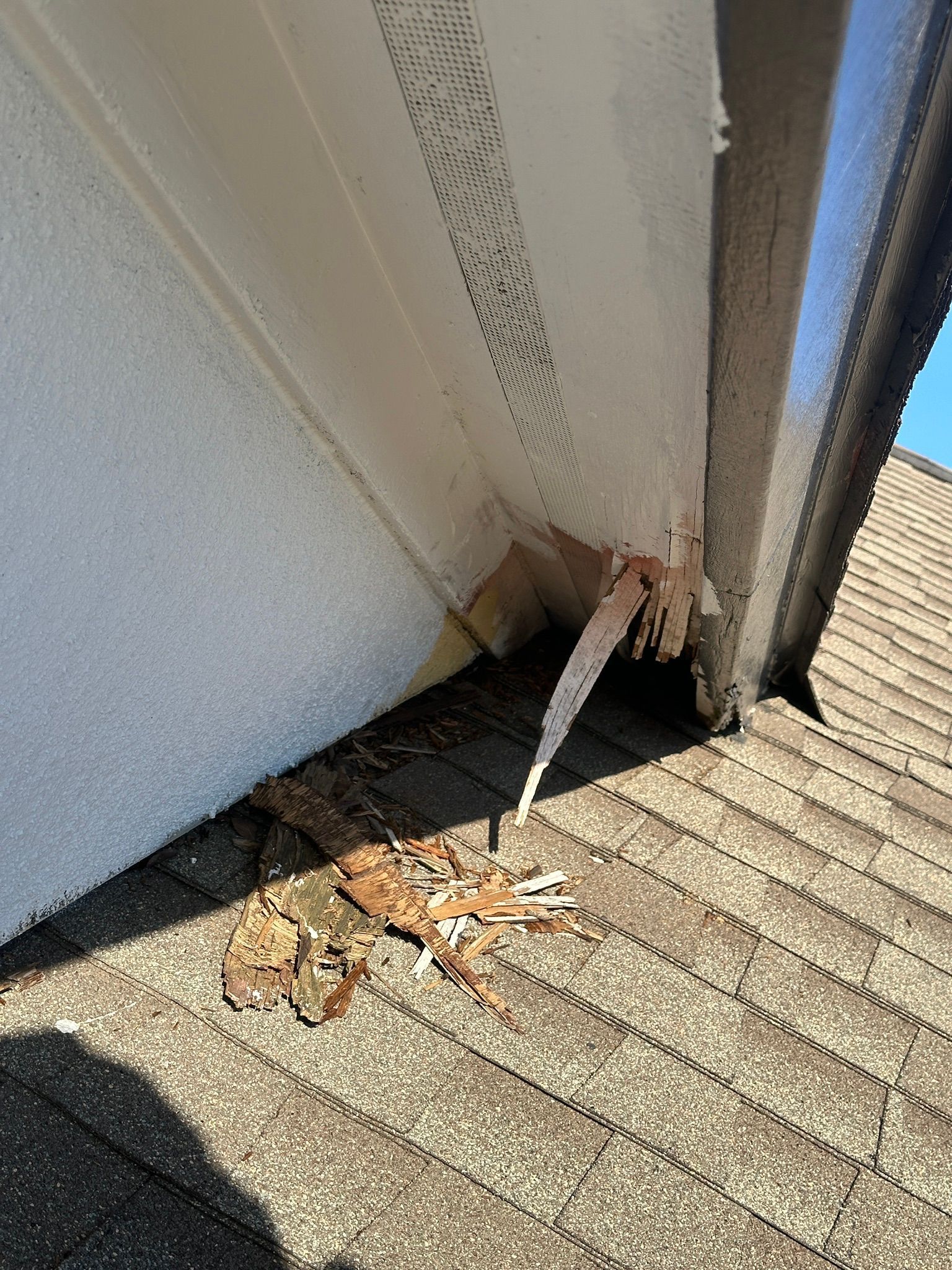
- Impact: Strong winds can lift and tear off shingles, exposing the underlying roof structure to the elements. Wind-driven debris can also cause physical damage.
- Solution: Ensure shingles are securely fastened and use wind-resistant roofing materials. Trim overhanging branches to reduce the risk of wind-driven debris damage.
5. Humidity and Moisture
- Impact: High humidity levels can contribute to algae, moss, and mold growth on your roof. These organisms can retain moisture and accelerate the deterioration of roofing materials.
- Solution: Install algae-resistant shingles and ensure proper ventilation in the attic to reduce humidity levels. Regular cleaning can help prevent moss and algae buildup.
6. Freezing Temperatures and Ice
- Impact: Although less common in Texas, occasional freezing temperatures can cause ice dams to form on the roof. Ice dams prevent proper drainage, leading to water seeping under shingles and causing leaks.
- Solution: Improve attic insulation to prevent heat loss, which can contribute to ice dam formation. Ensure gutters are clean to facilitate proper water drainage.
Preventive Measures for Your Roof
1. Regular Inspections:
- Schedule routine roof inspections, especially after severe weather events, to identify and address potential issues before they become major problems.
2. Quality Roofing Materials:
- Invest in high-quality, weather-resistant roofing materials designed to withstand Texas weather's unique challenges.
3. Proper Ventilation and Insulation:
- Ensure your attic is properly ventilated and insulated to regulate temperature and humidity, reducing the risk of extreme temperatures and moisture damage.
4. Timely Repairs:
- Address any damage or wear and tear as soon as it’s identified to prevent further deterioration and costly repairs.
5. Professional Maintenance:
- Consider hiring a professional roofing contractor for regular maintenance and inspections to ensure your roof remains in optimal condition.
Conclusion
Texas weather presents unique challenges for homeowners, but with proper care and maintenance, you can protect your roof from extreme heat, heavy rain, hail, high winds, humidity, and occasional freezing temperatures. Understanding these impacts and taking preventive measures can extend your roof's lifespan and ensure your home's safety and comfort.