Anatomy of a Roof: Roof Valleys

Christine+Bowen • October 29, 2025
Set Up a Free Site Visit Now

When rain hits your roof, it doesn’t just slide straight down. Instead it follows the natural channels formed where two roof planes meet. Those intersections are called roof valleys, and they’re one of the most important (and most leak-prone) parts of any roofing system. A properly designed and installed valley ensures water flows off your roof quickly and efficiently.
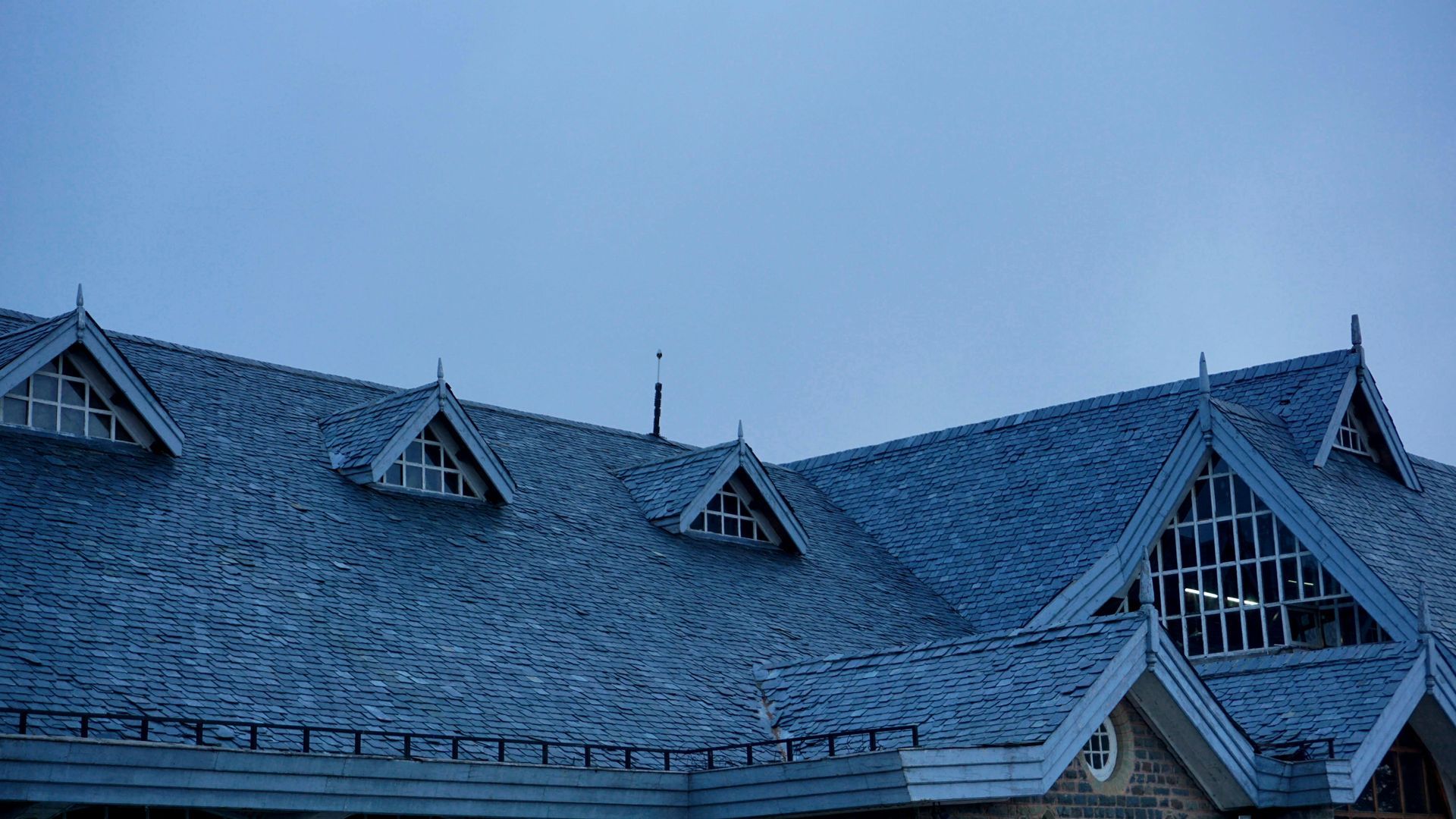
Roof Valley Example Austin Roofing and Construction

What Is a Roof Valley?


A roof valley is the “V-shaped” area where two sloping sections of a roof meet. It acts like a drainage path, collecting rainwater and directing it toward your gutters. Because valleys carry such a high volume of water, they require special materials and attention during installation.


Without proper valley protection, water can back up under shingles and soak the decking especially during heavy storms.


Types of Roof Valleys


There are a few different valley styles, and each has its own advantages depending on the roof type and aesthetic:


  • Open Valley: Uses a visible metal flashing down the center of the valley. It’s durable, long-lasting, and ideal for handling large amounts of water.
  • Closed-Cut Valley: The shingles from one roof plane overlap the other, creating a clean, uniform appearance. Common for asphalt shingle roofs.
  • Woven Valley: Shingles from both sides are interlaced across the valley. It offers a seamless look but is best suited for lower-slope roofs where water flow isn’t extreme.


Why Roof Valleys Matter


Valleys handle more water runoff than any other area of your roof. Because of that, they’re also one of the most common spots for leaks to develop if not properly installed.


Here’s why roof valleys are so important:

 ✅ Direct large volumes of rainwater safely off your roof
✅ Prevent standing water and leaks at roof intersections
✅ Protect the roof decking from moisture intrusion
✅ Contribute to the overall performance and lifespan of your roofing system


A professionally installed valley ensures your entire roof can do its job — keeping your home dry and damage-free year-round.


Wrapping Up


Roof valleys might not be the flashiest part of your roof, but they play a vital role in water management and leak prevention. Proper design, flashing, and maintenance make all the difference in how well your roof performs.


Stay tuned for Part 6 of our “Anatomy of a Roof” series, where we’ll explore roof ventilation the hidden system that keeps your attic cool, dry, and energy-efficient.


Schedule an appointment today
📞 512-629-4949
 
🌐 Schedule Online Here
By The Armadillo April 29, 2026
Why Your Roof Needs More Than Just a Shingle
Learn About Roof Flashings on Roofs by Austin Roofing and Construction
By Christine+Bowen October 16, 2025
When it comes to protecting your home from water damage, roof flashing is one of the smallest yet most important parts of your roofing system. While shingles and underlayment do the heavy lifting against rain and wind, flashing is what keeps water from sneaking in through the cracks — especially around roof penetrations and edges.
Earn Money with Our Referral Program on Roofs by Austin Roofing and Construction
By Christine+Bowen October 2, 2025
At Austin Roofing and Construction, our business has grown because of one thing: our amazing clients. Time and time again, our customers recommend us to friends, family, coworkers, and neighbors and that kind of trust is the highest compliment we could ever receive.
Austin Roofing and Construction Underlayment 512-629-4949
By Christine+Bowen September 24, 2025
Welcome back to our “Anatomy of a Roof” series! Last time, we talked about roof decking — the strong foundation that supports your entire roof system. Today, we’re looking at the next layer up: roof underlayment .
By Christine+Bowen September 16, 2025
At Austin Roofing and Construction, we believe that understanding your roof helps you protect your home better. That’s why we’re launching a new blog series, “The Anatomy of a Roof,” where we break down each layer and explain its purpose. Today, we’re starting at the very foundation: the roof decking .
Austin Roofing and Construction Wind Damage
By christine April 7, 2025
Comprehensive Guide to Fixing Roofing Wind Damage Issues
Austin Roofing and Construction Critter Damage
By christine April 4, 2025
Your home's roof is one of its most important components. It protects the building and everything in it from rain, sleet, snow, wind, and hail. It is also a vital element when it comes to regulating temperatures and creating a comfortable environment. Behind storms, wild animals are one of the most common causes of destruction on roofs. Birds, rodents, termites, bats, bees, and other wild creatures can wreak serious havoc, endangering the integrity of your roof and your home. Below is a comprehensive guide on protecting your roof from animal damage . Keep reading for expert advice on how to identify and address such issues, and keep them from happening again.
Understanding Roofing Wind Damage
By christine March 13, 2025
Your roof protects your home from the weather, but strong winds can cause serious damage. Whether from a storm, hurricane, or just a powerful gust, wind can loosen shingles, tear off roofing materials, and lead to costly repairs. Knowing what causes wind damage, how to spot it, and how to prevent it can help keep your roof in good shape and extend its lifespan.
Critter Damage to Roofs in Austin, Texas
By christine March 5, 2025
Austin, Texas, is home to a variety of wildlife, including squirrels, raccoons, birds, and rodents. While these critters may seem harmless, they can cause significant damage to your roof if they find a way in. Understanding how these animals impact your home and how to prevent costly repairs is essential for protecting your investment.
What Goes Into Roof Installation in Austin, TX?
By christine February 18, 2025
The National Centers for Environmental Information reports that Texas experienced 190 confirmed weather disaster events from 1980 to 2024. The damage from these events, including tropical cyclones and severe storms, exceeded $1 billion in each event. With Austin's unpredictable weather, having a strong, reliable roof is more important than ever. You need a roof that can withstand the extremes of Austin's climate. Whether it's intense heat, heavy rain, or high winds, your roof should offer protection from these harsh conditions. That's where professional roof installation in Austin comes into play. It ensures your roof is built to last and capable of handling the challenges of the local climate.  Learn about the key steps and materials involved in roof installation in Austin to make the best decision for your home.