Steel, Sweat, and Texas Heat: Why Your Roof Needs More Than Just a Shingle
Listen, we’ve been climbing ladders across Travis County since 1981. Back then, my knees didn't creak, and the Austin skyline was about four buildings tall. After 15 years of running Austin Roofing , I’ve seen every kind of weather the Hill Country can throw at us—from marble-sized hail that’ll dent a truck to that blistering July sun that cooks a standard shingle 'til it’s brittle as a cracker.
If you’re tired of the "replace every ten years" cycle, grab a coffee. Let’s talk metal. It’s the last roof you’re ever gonna buy for this house, but if you don't get the details right, you're just buying an expensive headache.
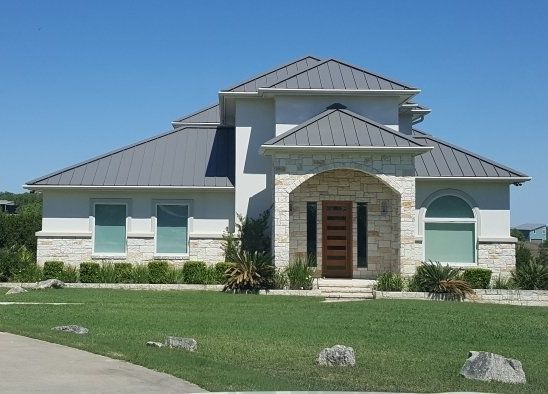
1. Picking Your Standing Seam Panel Profile
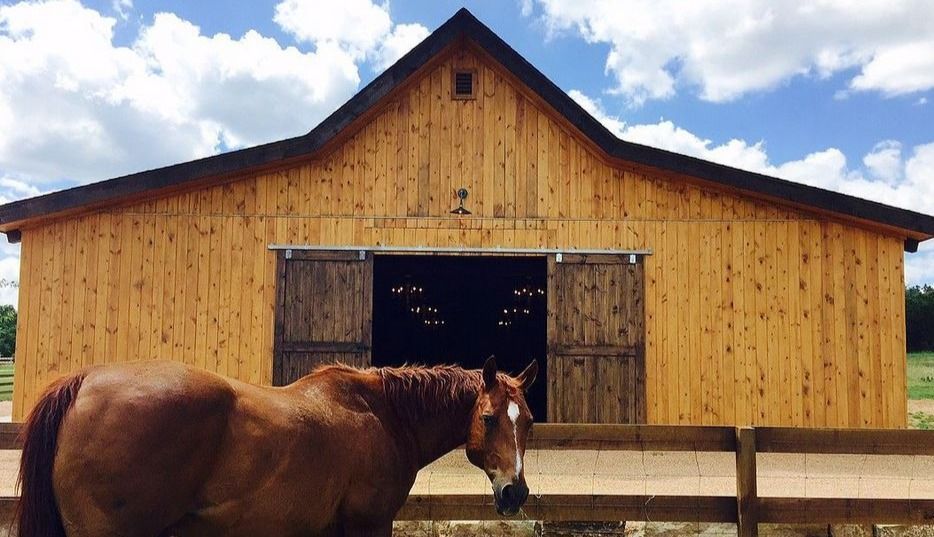
Most folks think "metal roof" and picture an old barn. We’ve come a long way, neighbor.
Standing Seam: This is the gold standard for
Austin homes. The fasteners (the screws) are hidden under the ribs. Why does that matter? Because the metal expands and contracts in our heat. Since the screws aren't exposed to the elements, they don't back out or leak. It’s clean, it’s modern, and it looks sharp.
The Sure Lock (Snap-Lock)
Think of this like a high-end Lego set for your house. The panels have a "male" and "female" leg; one side clips down with a hidden bracket, and the next panel literally snaps right over it.
- When to use it: This is the go-to for most residential homes in Central Texas with a standard slope (usually a
3:12 pitch or steeper ). If your roof has a good slant that lets water shed off quickly, a Snap-Lock system is fantastic.
- The Upside: It’s faster to install, which keeps your labor costs down. It also handles thermal expansion (the metal growing and shrinking in the Texas heat) very well because the panels can "float" slightly in those clips.
+1 - The Downside: It’s "hydrokinetic," meaning it relies on gravity to move water. If water sits on it—like in a heavy snow or a very flat section—it could eventually find a way under that snap.
The Double Lock (Mechanical Seam)
Now, this is the heavy hitter. We don't just snap these together; we use a motorized machine (a "seamer") that walks up the roof and folds the metal over itself—once for a single lock, and then a second time (180 degrees) for a double lock.
- When you NEED it: If you have a
low-slope roof (anything below a 2:12 pitch), you almost always want a mechanical double lock. On flat or near-flat sections, water doesn't run off; it lingers. A double lock turns your roof into a single, continuous "tank" of steel.
- The "Texas Hurricane" Factor: Because the metal is physically crimped together twice, it has the highest wind-uplift rating you can get. If you’re in a high-wind area or just want the peace of mind that no gust of wind is ever going to peel those panels back, this is your winner.
- The Trade-off: It’s a lot more labor-intensive. My guys have to run that seamer on every single rib, and it takes specialized skill. You’re paying for that extra security.
The Contractor’s Verdict
"Most of my neighbors here in Austin are perfectly fine with a Sure Lock . It’s durable, looks sharp, and fits the budget. But if you’ve got a modern home with a low-pitch roof, or if you’re the type of person who wants the 'indestructible' option because you never want to think about your roof again, we’re going Double Lock ."
Quick Rule of Thumb: *
- Steep roof + Residential budget = Sure Lock / Snap-Lock.
- Flat roof + Maximum protection = Double Lock.
How's the pitch looking on your place? Is it a standard ranch-style, or do you have some of those flatter, modern roof-lines?
2. The Gauge: Thicker Isn't Always Just a "Flex"
In the roofing world, a lower number means thicker steel.
- 24-Gauge: This is what I put on my own house. It’s heavy-duty, resists denting from hail, and warping.
- 26-Gauge: A solid middle ground. It’s the industry standard for residential—tough enough for most storms without breaking the bank.
4. The "Extras" That Actually Matter
A roof is a system, not just a sheet of steel.
- Boots & Flashings: At our metal shop we manufacture our own specialty boots that will last as long as your metal roof does! The shop also custom cuts all of your flashings, as every roof is special.
- Clips and Screws: All the clips and screws that you will need will be delivered to the project job site with the panels.
- Custom Accessories : Like Crickets (rain diverters) & Custom Chimney Caps.
- Striations: These are lines that run the length of the panel. They keep the panels straight and free of “oil canning” or warping. We always suggest striations, but will do as you say!
5. Gutters: The Finishing Touch
If you’re investing in a lifetime metal roof, don't put plastic gutters on it. That’s like wearing flip-flops with a tuxedo.
- 6-Inch Seamless Aluminum: These are the workhorses. They handle those "everything is bigger in Texas" downpours without overflowing.
- Ogee vs. Half-Round: Ogee is your classic look; Half-Round gives that European or historic Austin vibe. Either way, make sure they’re pitched right so you aren't breeding mosquitoes in a stagnant pool.
The Bottom Line
I’ve got two teenagers at home—a son who thinks he’s a track star and a daughter who’s already scouting colleges. I don't have time to fix my own roof every time a storm rolls through, and I know you don't either. My old Lab, Blue, likes to sleep in the shade of the porch; with a properly insulated metal roof, the whole house stays quieter and cooler for him and the rest of us.
If you’re ready to do this once and do it right, give us a holler at
Austin Roofing .
We’ve been here, we’ll be here, and we know exactly what your rafters are up against.
Pro Tip:
A metal roof cools down way faster than shingles after a long Texas Summer day.
This helps to cool your attic faster and help your HVAC system run less.