

10 Reasons Why Your Roof is Leaking
A leaky roof can lead to mold and other building damage if it isn't resolved quickly. Here are 10 possible reasons your roof is leaking.
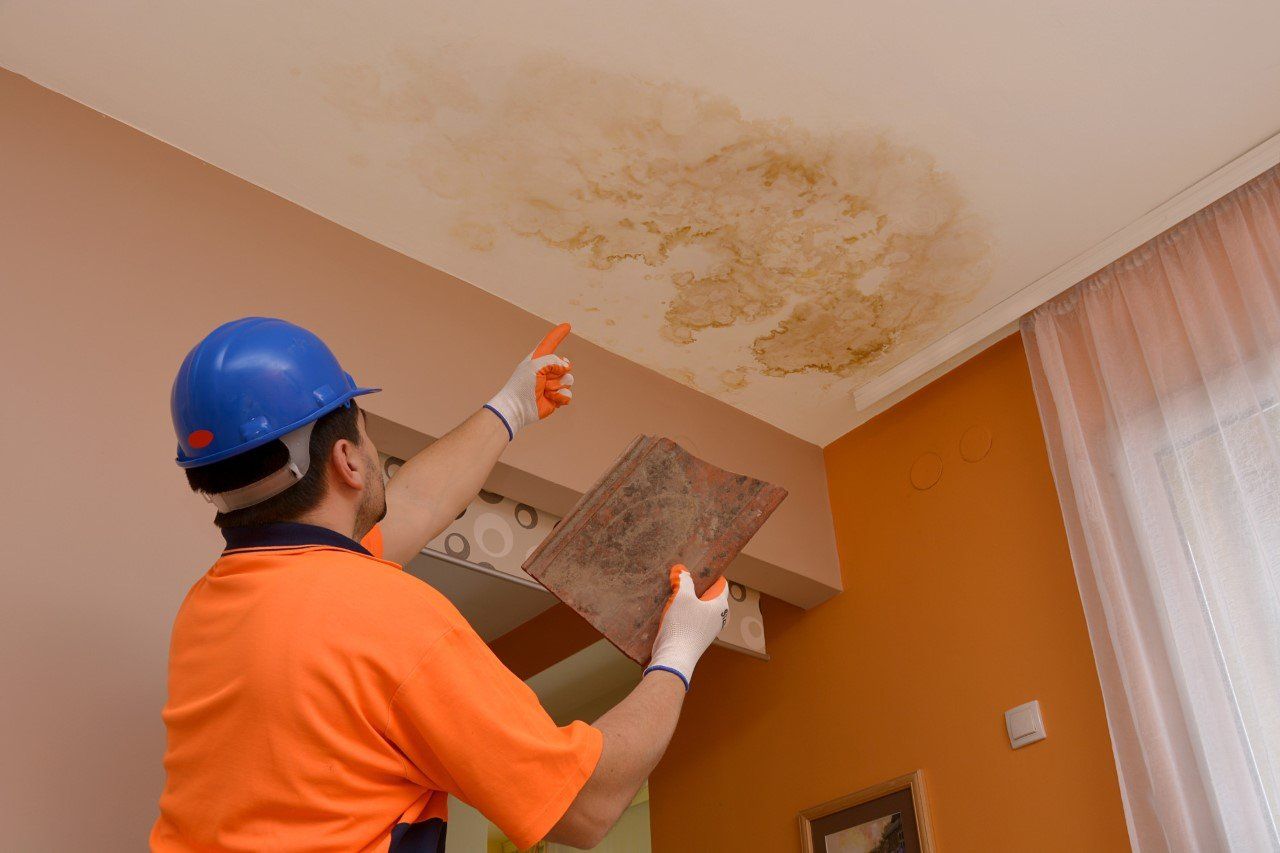
You know your roof is leaking. Maybe you see water stains on the ceiling, or it's more obvious with water dripping through the ceiling.
Before you can get the leaks to stop and repair the damage inside, you need to know what's causing the leak. Finding the root cause of the water leakage is essential to repairing it and preventing future issues.
Leaks typically happen due to damage to the roof, but that damage can take on different forms.
Keep reading to learn 10 common causes of roof leakage.
1. Holes
A hole in your roof is an obvious entry point for water. Nothing stops the water from flowing right into your home.
Holes can happen over time if you don't care for your roof. They can also happen suddenly if something hits your roof.
Another potential source of holes is removing objects from your roof. Taking down an old antenna or satellite dish potentially leaves behind holes where those objects were anchored to the roof.
If you have anything removed from your roof, ensure the holes get patched correctly.
2. Missing or Damaged Shingles
Shingles protect your roof and help the water run off of the roof to the gutters. If they're compromised in any way, they can't do their job, which may allow leaks.
Sometimes the damage starts from the beginning. Shingles or roofing that isn't installed correctly can allow leaks. Faulty roofing materials can also lead to leakage from the beginning.
Storm or wind damage can cause damage to the shingles. Heavy wind can cause shingles to blow off the roof. A fallen branch can puncture the shingles and the roofing underneath them.
Inspect your roof periodically to look for damage or missing shingles, especially after bad weather. If the roof is otherwise in good condition, you can replace the damaged or missing pieces.
3. Gutter Issues
Water runs down your roof and into the gutters. Leaves, sticks, and other debris can also end up in the gutter.
If you don't clean your gutters regularly, the debris builds up and keeps water from flowing. The water can build up onto the roof, where it can go under the shingles and cause leaks.
Clean your gutters at least three times per year to keep them clear. If you have a lot of trees around, you may need to clear them more often.
4. Old Age
Your roof eventually needs to be replaced due to wear and tear. How long a roof lasts depends largely on the roofing material used.
The common asphalt shingles you see on many houses usually last around 20 years, but some last shorter or longer periods depending on the quality of the roofing.
Fiber cement shingles hold on a little longer, lasting around 25 years.
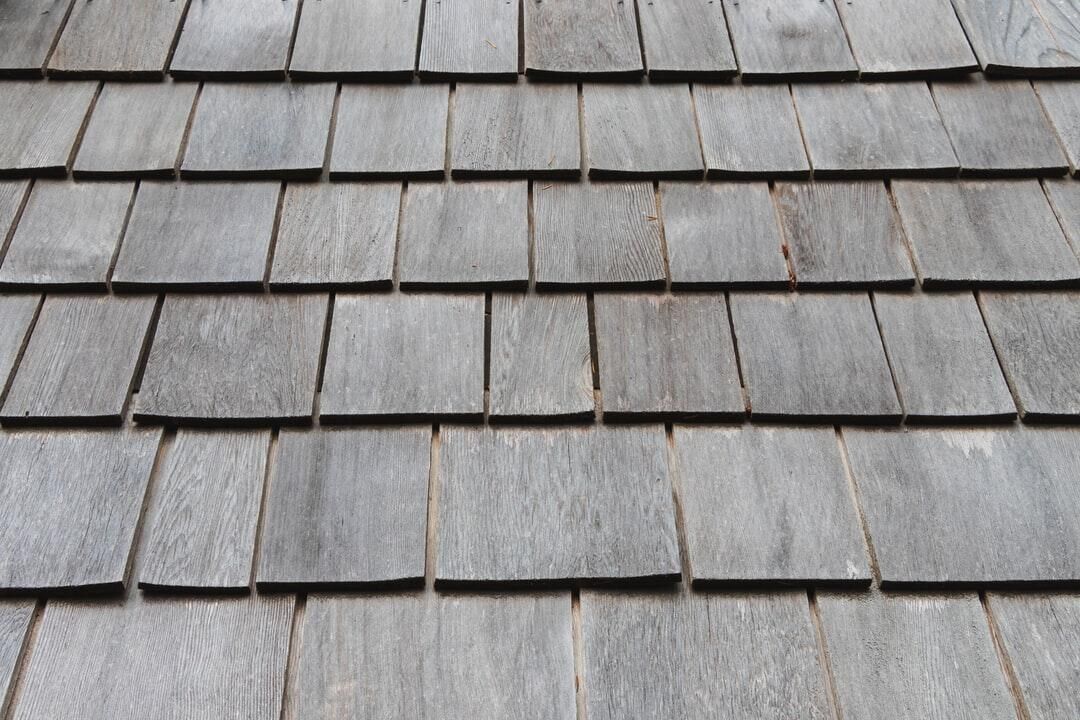
If you have wood shakes or shingles, they should last around 30 years.
Slate, tile, and metal roofing give you the longest life before it needs to be replaced. These materials can often last 50 years or longer.
As it gets old, the roofing can become brittle and deteriorate. This prevents it from protecting your home from leaks.
Damage or neglect can shorten the life of your roof, no matter the material. If you know your roof is getting older or you haven't maintained it, the leak could be due to normal breakdown due to old age.
Rejuvenating an Aging Roof: Solutions and Benefits
If your roof is starting to look weathered and worn, there are effective solutions to breathe new life into it. Modern roofing treatments offer innovative ways to restore asphalt shingles and extend the lifespan of your roof without the immediate need for a costly replacement.
Key Solutions for Aging Roofs
- Rejuvenation Treatments: Several companies now provide eco-friendly options designed specifically to revitalize dried-out shingles. These treatments can make the asphalt more pliable, helping the roof withstand severe weather and temperature changes.
- Protective Coatings: Applying a protective coating can enhance the roof's resistance to elements such as UV rays and rain, which further extends its functional life.
- Routine Maintenance: Consistent upkeep, including cleaning debris and repairing minor damages, can prevent deterioration and prolong a roof’s effectiveness.
Benefits of Roof Rejuvenation
- Extended Lifespan: By opting for rejuvenation rather than replacement, you can add approximately 15 years to your roof's life.
- Cost Efficiency: These solutions can save you substantial sums by delaying the need for full replacement, which involves significant labor and materials.
- Environmental Impact: Choosing to rejuvenate helps reduce waste by minimizing the number of discarded shingles in landfills.
Incorporating these solutions can secure your roof's integrity and save money while contributing positively to environmental sustainability. It's worth consulting with local roofing professionals to understand which option best suits your roof's condition.
5. Damage to Flashing
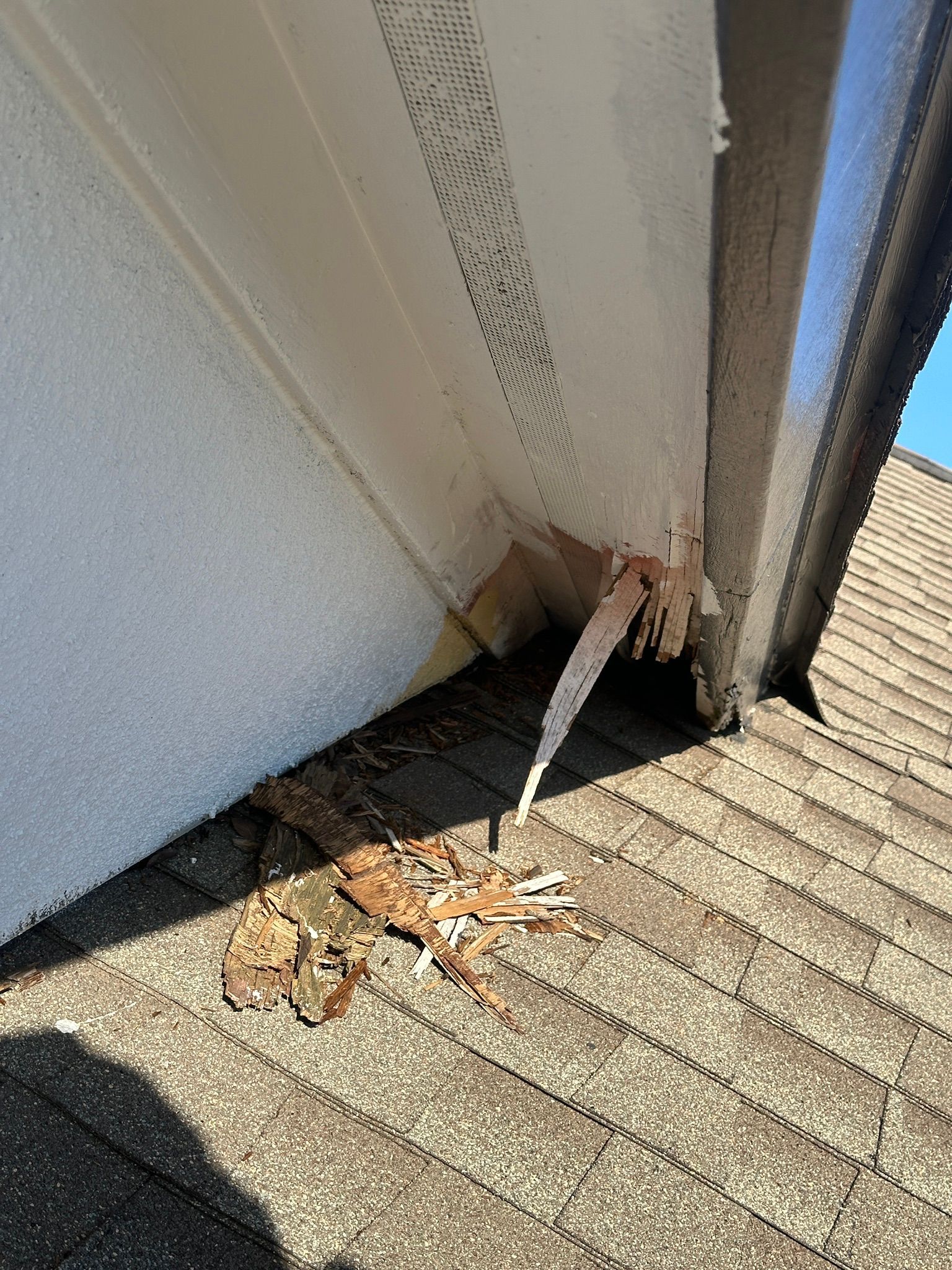
Flashing is metal that goes over joints and seams to protect from leaks. But it can also be a potential cause of leaks. Flashing that's not installed correctly can allow water to enter. The flashing may move out of position if it's not attached well. It can also get damaged over time. The metal might corrode, crack, or otherwise get damaged and let water in.
Cracked flashing is particularly concerning because it undermines its primary role of directing water away from critical areas of your roof. This increases the risk of water penetration into your home. Regular inspection of flashing is crucial to ensure it's free from cracks and properly sealed. By doing so, you can prevent potential leaks that could lead to costly repairs.
To maintain the integrity of your roof:
- Inspect Regularly: Check for any visible cracks or signs of wear.
- Ensure Proper Sealing: Make sure the flashing is tightly sealed and securely attached.
- Address Corrosion: Look out for any signs of corrosion, as this can weaken the metal and lead to cracks.
By staying vigilant, you can extend the life of your roof and avoid the headaches that come with water damage.
6. Roof Slope Issues
A shallow roof slope or a flat roof can increase the chances of leaks. The slope of the roof helps water run off efficiently. If the roof doesn't have much of a slope, the water can slow down or pool up on the roofing material, and it may eventually leak into your home.
7. Ridge Caps and Valleys
The peaks and valleys on your roof add to the architectural design, but they also create potential entry points for water. If you notice the leaks coming into your home in those specific areas, you may have issues with how they're sealed.
Valleys are the V-shaped spots where slopes meet. Damage to the material covering the valleys can allow water to seep inside. They can also leak if they were never sealed properly.
8. Vents, Skylights, and Chimneys
Your roof may have vents, skylights, and chimneys on them that create the potential for leaking. Roof vents, in particular, are crucial for allowing heat and moisture to escape from your attic. However, they can become a source of leaks if they are damaged or sealed improperly.
If those features aren't installed properly, they may leave gaps along them where water can seep into the house. Proper installation ensures those features are sealed and watertight. You may need to have them resealed over time to keep them protected.
Regular inspections can help identify any issues with roof vents, such as cracks or loose fittings, that might lead to leaks. By addressing these problems early, you can prevent more significant damage to your home.
9. Attic Condensation
Sometimes the water damage doesn't come from outside the home. Condensation buildup in the attic can cause water damage and leaking inside your home.
Condensation happens when the attic is ventilated poorly or lacks proper insulation. Extreme temperature changes can add to the condensation.
Not only does it potentially cause water damage inside the home, but condensation can also cause mold and mildew to grow in your home.
10. Roof Debris
Has it been a while since you cleaned off your roof? Or maybe you had a storm recently that caused branches and debris to build up on your roof.
That organic debris can cause leaking even if it doesn't damage the shingles.
Leaves, sticks, and other debris block the water from flowing off the roof properly. It can cause the water to pool up on the roof or back up under the shingles. The water can seep down into the roof and into your home.
When your roof is leaking, you need to know why so you can fix the issue. Knowing the potential causes and what to look for helps you spot the issue quickly.
Many roofing issues that cause leaking are better left to the pros. Contact us today if you have a leaky roof.